
You’ve noted the steep drop-off in their schoolwork, abrupt changes in their behavior, and the loss of interest in their former hobbies and interests. Alcohol use disorder can include periods of being drunk (alcohol intoxication) and symptoms of withdrawal. Through regular conversations about alcohol and by parents being a positive role model with their own drinking, parents can shape kids’ attitudes about alcohol and set them up to make healthy choices.
How Alcohol Affects Cognitive Development
About 10 percent of 12-year-olds say they have tried alcohol, and by age 15 the number jumps to 50 percent! What teens and parents may not know is that the effects of alcohol on teens are more harmful than to adults because kids’ brains are still developing until about age 25. Learn up-to-date facts and statistics on alcohol consumption and its impact in the United States and globally. Explore topics related to alcohol misuse and treatment, underage drinking, the effects of alcohol on the human body, and more. In the U.S., about 25% of teens have tried alcohol by age 15, and nearly 50% have by age 18, according to the National Institute on Alcohol Abuse and Alcoholism (NIAAA).
Can alcoholism run in the family? The Impact on Teens
The numbers are staggering, with a significant portion of teenagers engaging in alcohol use, often influenced by peer pressure, media portrayals, and sometimes family behaviors. Family members must model positive behaviors and engage in activities that promote overall well-being. Constructive feedback and positive reinforcement contribute to the teenager’s sense of accomplishment and motivation. Ultimately, a family’s commitment to understanding, supporting, and effectively communicating enhances a teenager’s marijuana addiction chances of successful recovery from substance use. Teen alcohol abuse is a serious health concern that demands a multifaceted approach to effective treatment.
Teen Alcoholism: Signs, Causes, and Treatment
Some teens with a history of alcoholism in their family may be at a higher genetic risk of suffering from alcoholism, especially if they experience trauma or high-stress situations. Alcohol abuse during adolescence often leads to dependency issues in https://ecosoberhouse.com/ adulthood. Early alcohol use also raises the risk of future mental health disorders, chronic health conditions, and social difficulties. Withdrawing from family activities, spending more time with new or questionable friends, and communicating less with parents are common social indicators of alcohol abuse.
- It is the number one substance used by teens with over 30% of year-olds reporting they have had alcohol at least once.
- However, even a mild disorder can escalate and lead to serious problems, so early treatment is important.
- She quit drinking before I could develop any memories of her drinking.
- If you’re going to a party and you know there will be alcohol, plan your strategy in advance.
Warning Signs of Underage Drinking
- What my parents did do, however, was communicate with me – accept me as my own being with the complexities and strengths and weaknesses that we all share because we are simultaneously dying and living.
- Remember, addressing teen alcoholism is not about punishing or lecturing but about guiding, supporting, and providing the resources your child needs to overcome challenges.
- Understanding how to recognize underage drinking and talk to your child about it can help protect them from some of the dangers.
- Risk factors are things that increase the likelihood that a teen may drink alcohol underage.
- Having available alcohol in the home or observing family members drink heavily can also increase the risk.
- Alcohol can disrupt this process, leading to lasting cognitive damage.
These programs teach essential skills such as decision-making, problem-solving, and stress management, helping adolescents navigate life’s challenges without turning alcohol into a crutch. Teenagers often face many emotional and psychological challenges; some use alcohol to cope. Stress, anxiety, depression, and low self-esteem can drive adolescents to use alcohol to self-medicate. Alcoholism, a chronic and potentially life-threatening condition, finds its roots in the neurobiology of the brain.
Real Solutions for Parents
Examples of behavioral treatments are brief interventions and reinforcement approaches, treatments that build motivation and teach skills for coping and preventing a return to drinking, and mindfulness-based therapies. It is the number one substance used by teens with over 30% of year-olds reporting they have had alcohol at least once. Of these 30, about 15% of teens meet the criteria of an alcohol use disorder. It’s helpful for parents to recognize the warning signs of alcohol use in teens and what drives their drinking to provide them with early intervention & proper support. Lower grades or diminished engagement in extracurricular activities may be signs of alcohol abuse.
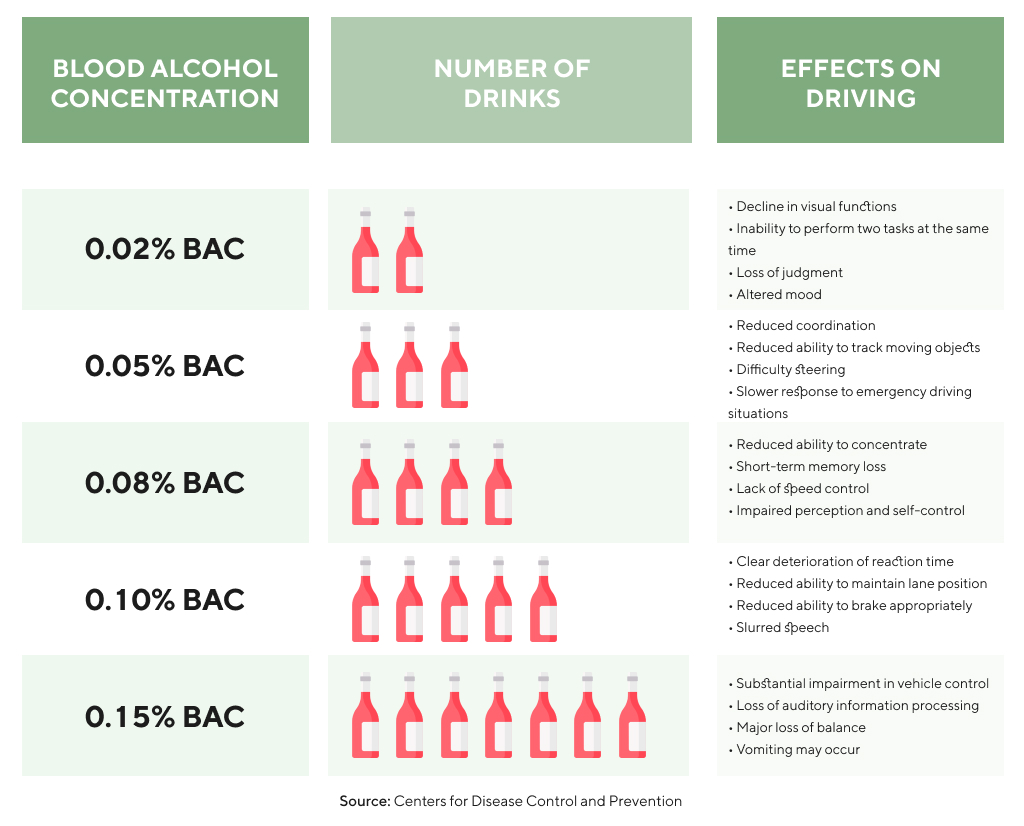
Depending on the person, intoxication can make someone very friendly and talkative or very aggressive and angry. Reaction times are slowed dramatically — which is why people are told not to drink and drive. People who are intoxicated may think they’re moving properly when they’re not. Mental health plays a significant role in alcoholism, and the relationship between mental health and alcohol use disorder is complex and bidirectional. At Newport Academy, teens uncover and heal the sources of their emotional pain, while also building distress tolerance and healthy coping skills.
The Recovery Village Palm Beach at Baptist Health Drug and Alcohol Rehab
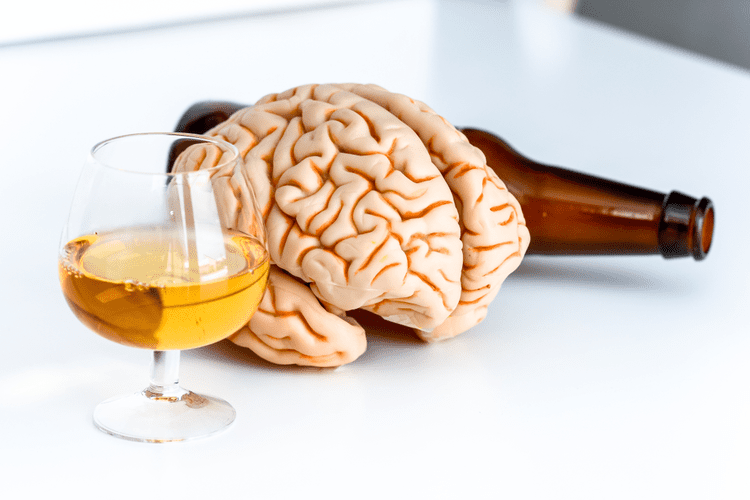
Because their minds and bodies are still developing, teens have different responses to the effects of alcohol than adults. The chance of an alcohol addiction disorder is never zero unless someone has lifetime abstinence from alcohol consumption. And the risks are even more pronounced if there is a family history of alcohol use teen drinking disorder. In fact, rates of binge drinking and alcohol misuse problems in youth are higher than rates in the U.S.
Video: Guiding Loved Ones Through Addiction
Current drinking among college students decreased 30% from 1991 to 2024. Nearly 87% of high school seniors have not been drunk in the past month, with less than 13% reporting they have engaged in this behavior. The rate of 12th graders reporting they have been drunk has declined 39% over the past ten years. By the time a student reaches their senior year in high school about half (51%) have never consumed alcohol. Lifetime consumption among 12th graders declined 24% over the past decade and 45% since 1991. Lifetime consumption declined 29% from 2015 to 2024, with less than one in five 8th graders reporting they have consumed alcohol.
Teen alcohol abuse refers to excessive and harmful drinking by adolescents, typically between the ages of 12 and 18. While many teens might try alcohol as part of social experiences, alcohol abuse happens when drinking becomes a pattern, leading to physical, emotional, and social issues. Over time, this behavior can escalate, increasing the chances of addiction and long-term health problems. In addressing teen alcohol addiction, combining these approaches can provide a holistic treatment plan that addresses physical and psychological aspects.